
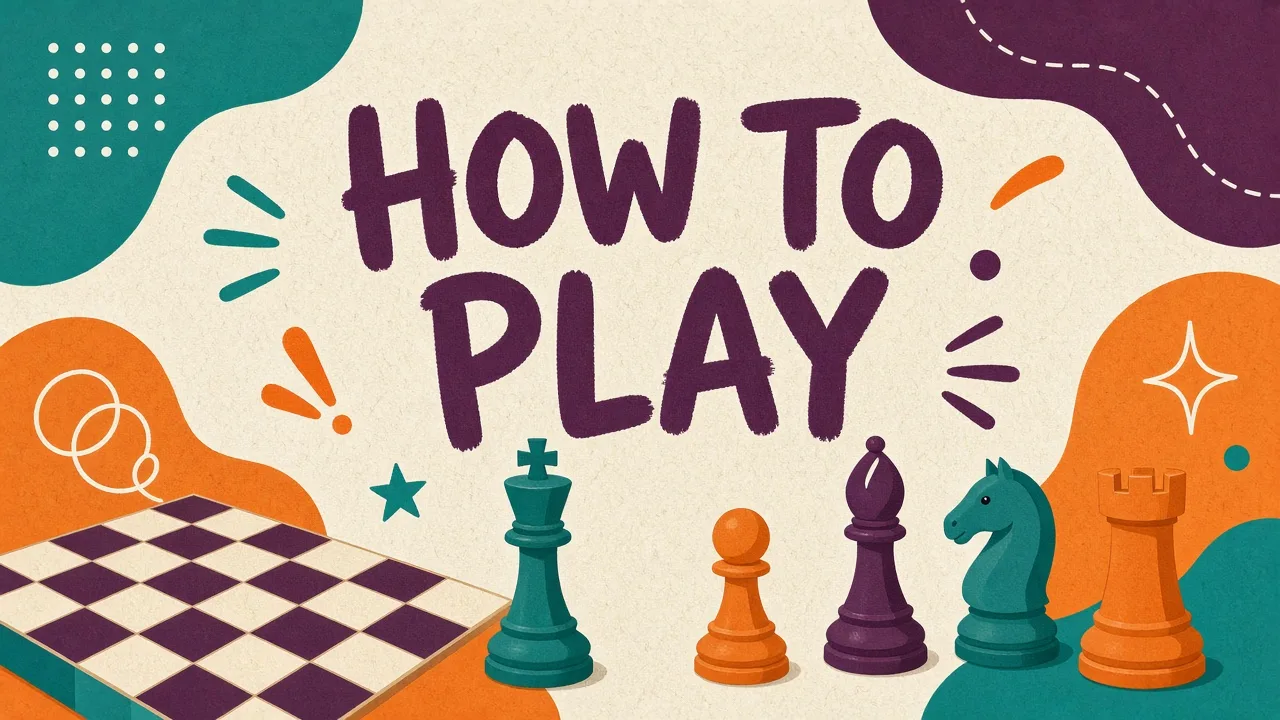
The board
Chess is played on 64 squares: eight files across and eight ranks deep. Files are the columns, lettered a to h from White’s left. Ranks are the rows, numbered 1 to 8, starting on White’s side. Set the board so each player has a light square in the right-hand corner. White moves first.
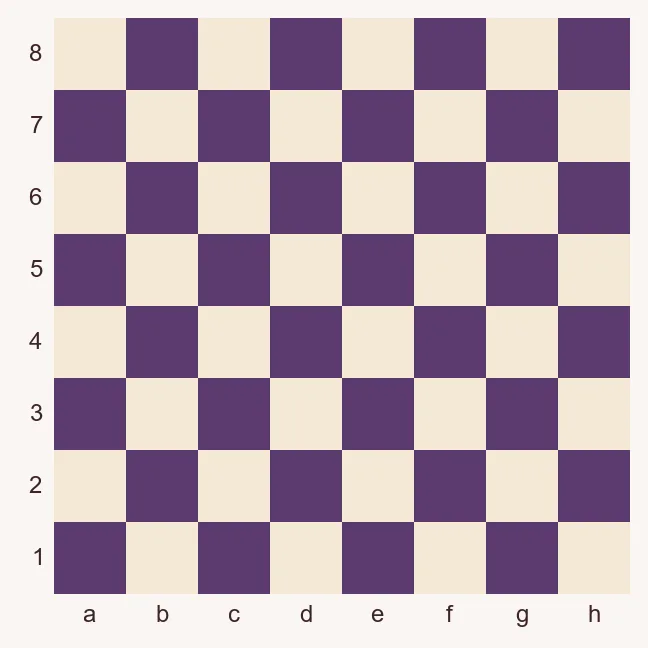
A square is named by its file and rank. The white king starts on e1, and the black king on e8.
How the pieces move
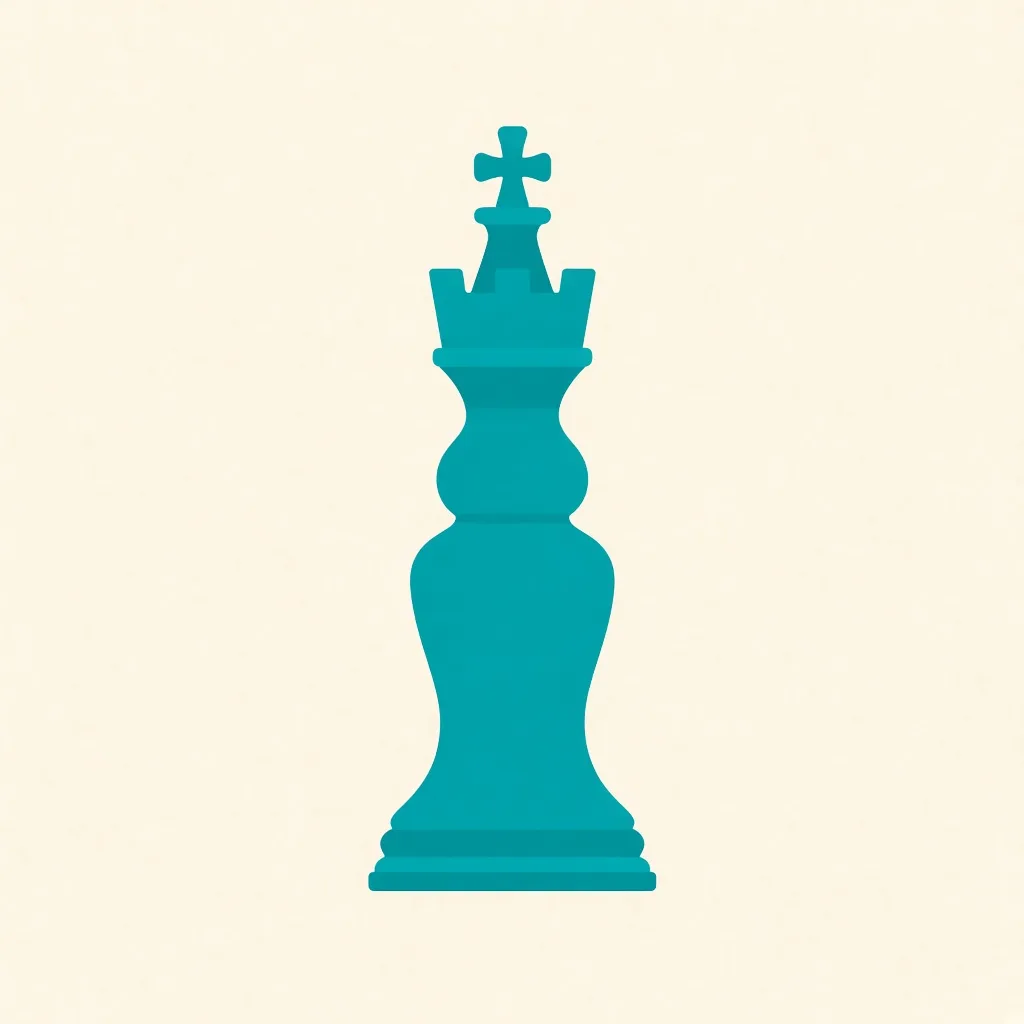 King. One square in any direction. He may not move into check.
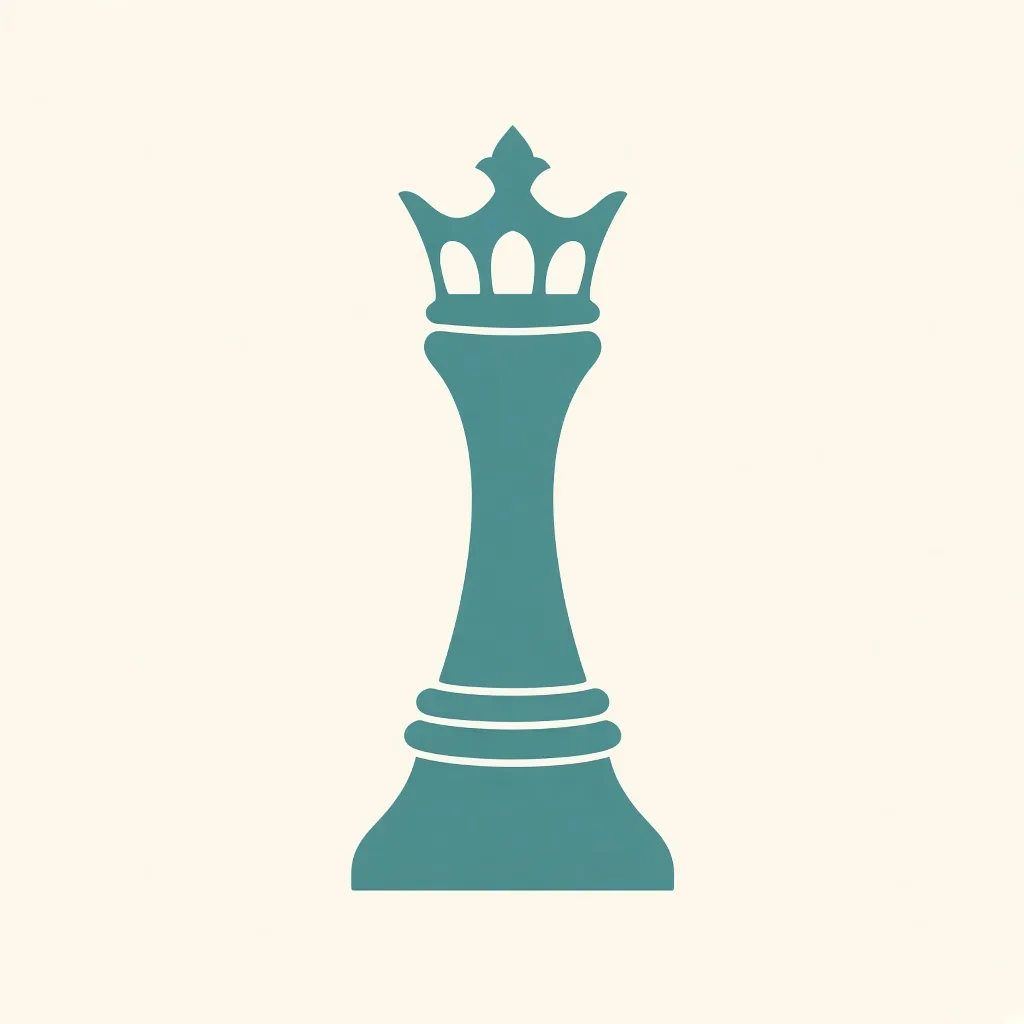 Queen. Any number of free squares along a rank, file, or diagonal. She is the strongest piece, and the one beginners leave unprotected.
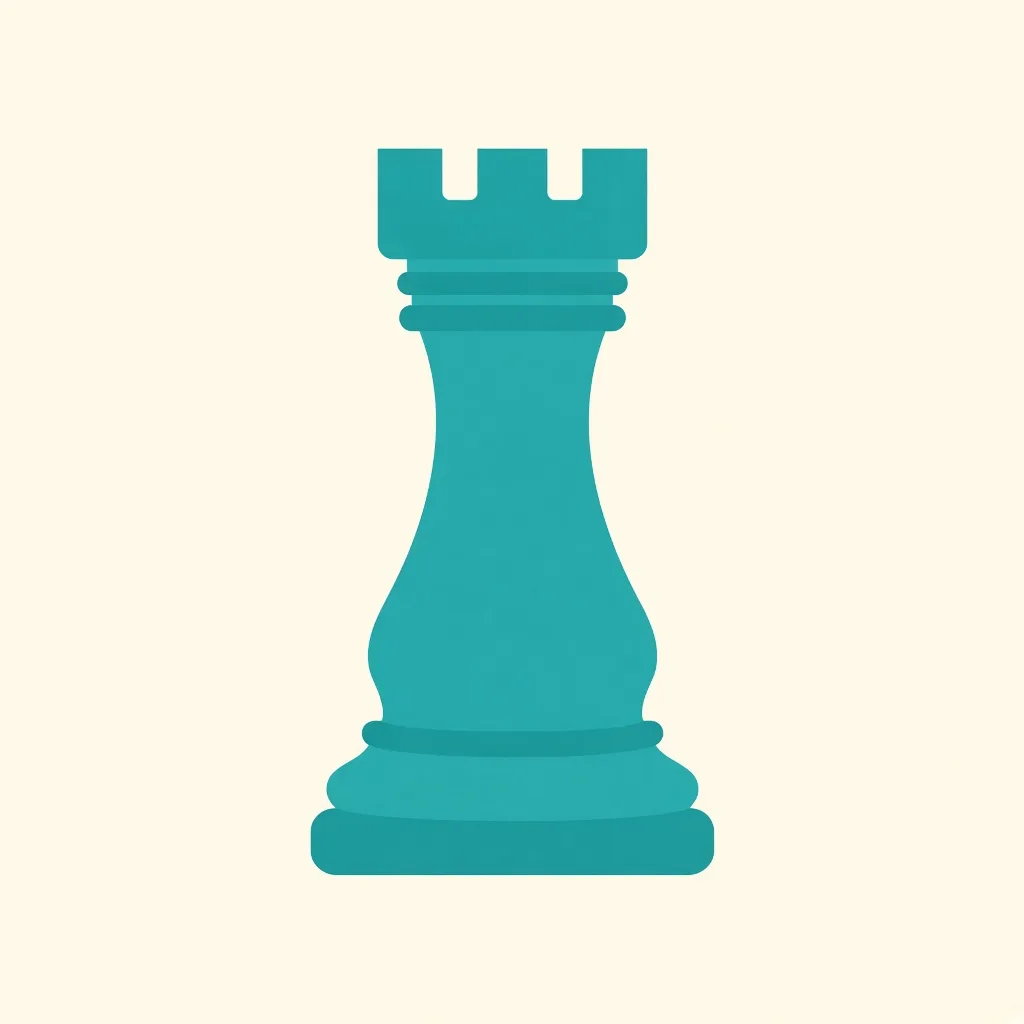 Rook. Any number of free squares along a rank or file.
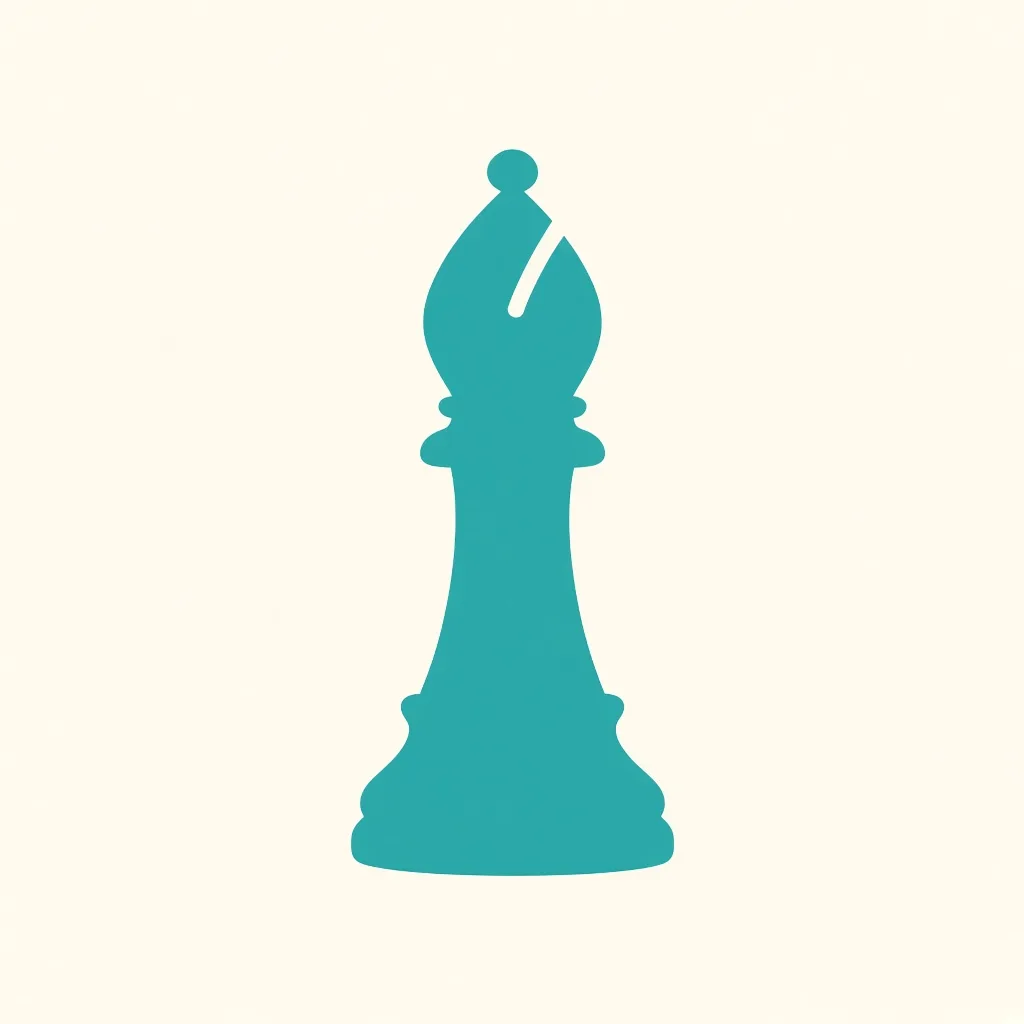 Bishop. Any number of free squares on one diagonal. Each bishop stays on the color it starts on.
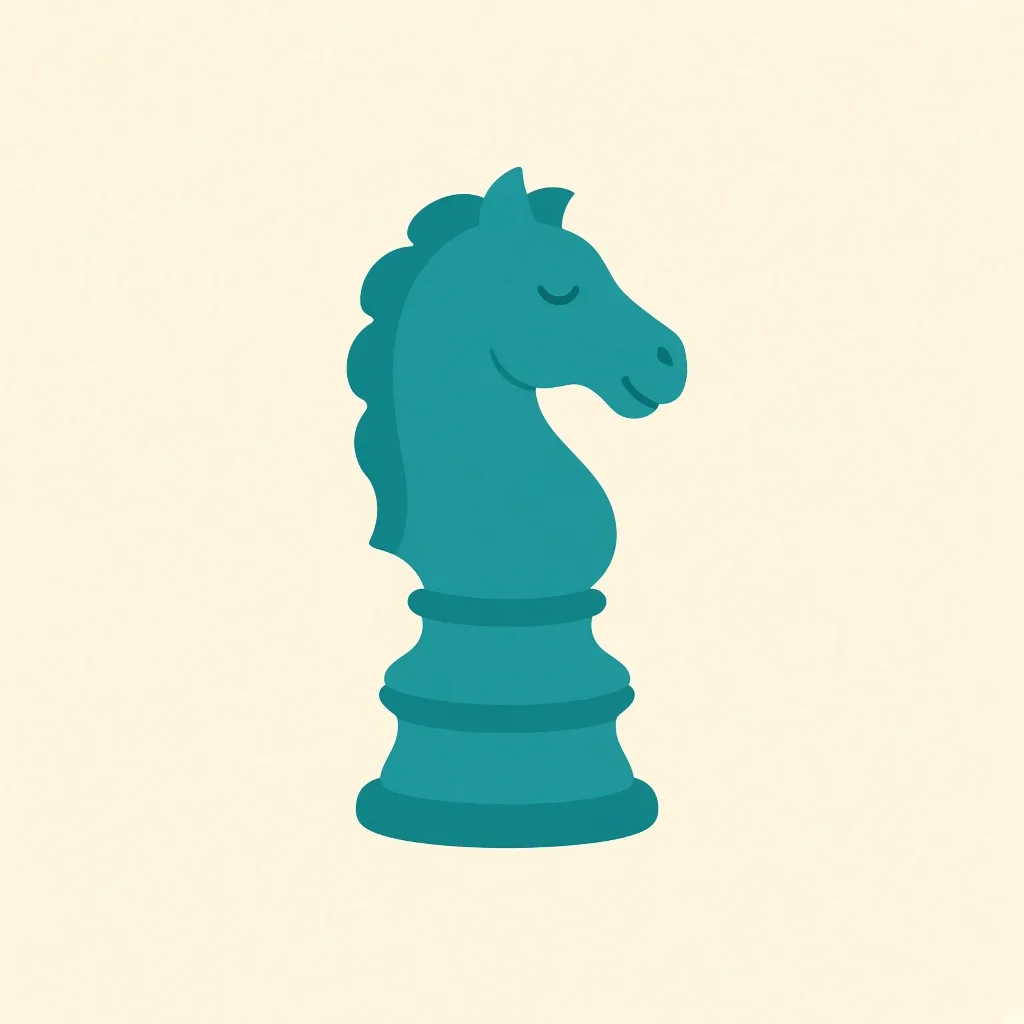 Knight. An L: two squares one way, then one to the side. It jumps, so pieces in between do not block it.
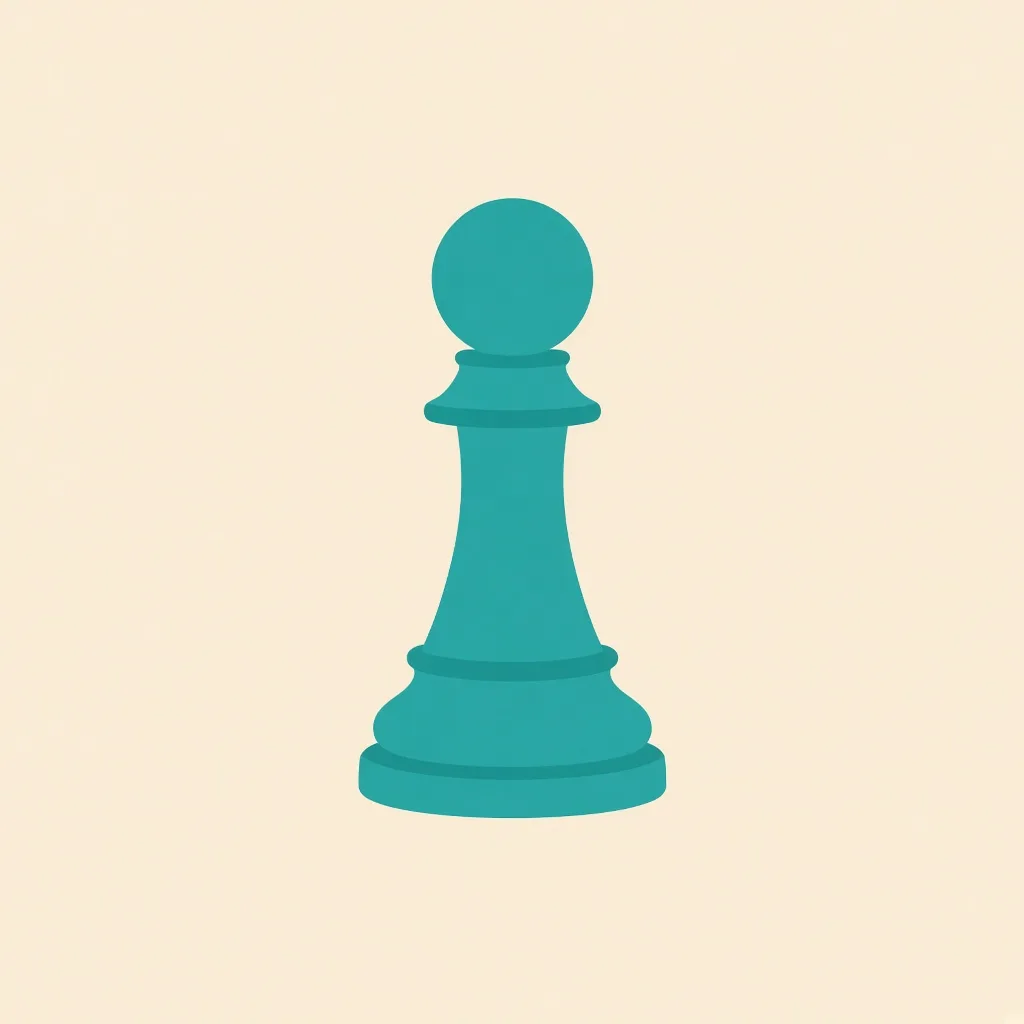 Pawn. One square straight ahead, or two squares on its first move. It captures one square diagonally forward, never straight ahead. Reach the last rank and it promotes, usually to a queen.
Two moves worth learning now
Castling tucks the king away and brings a rook toward the center in one move. The king and that rook must not have moved, the squares between them must be empty, and the king cannot be in check or pass through an attacked square. Kingside castling is the usual first choice.
En passant is uncommon. If a pawn advances two squares and lands beside an enemy pawn, that enemy pawn may capture it as though it had moved only one square. The chance lasts for one move only.
How a game ends
Check means the king is attacked. You must get out of check: move the king, capture the attacker, or block the line.
Checkmate is check with no way out. That wins.
Stalemate is a draw. The side to move is not in check, but has no legal move. It shows up when you are ahead and the other king is nearly alone.
Games also draw by agreement, by repetition, or when neither side can force mate.
Three habits for a first game
- Develop. Bring the knights and bishops out before you start a fight.
- Castle. Do it in the opening, then connect the rooks.
- Look twice. Before you move, ask what the last move attacked. Most early losses are a piece left hanging.
Play slowly at first. Ten minutes a side is enough time to notice a threat.
Watch next
Two lessons cover the same ground with a board in front of you. Levy Rozman walks through every rule. International Master John Bartholomew then shows the habit that saves the most games: spotting pieces that are not defended.
How To Play Chess: The Ultimate Beginner Guide — GothamChess
Chess Fundamentals #1: Undefended Pieces — John Bartholomew